
Case Studies
Discover PlaceMUS XR acoustic itineraries!
At least 7 case studies among the 10 listed will be developed within the project. For each, interactive, embodied, and multisensory experiences in Virtual and Augmented Reality will bring music and its history to life. Multi-layered storytelling engages cognitive, aesthetic, and emotional dimensions, inviting visitors to step fully into Europe’s musical heritage.
PlaceMUS XR is not a static catalogue or encyclopedia – it’s a dynamic theatre of discovery where you can explore, view, and experience music in context.
Each itinerary brings a pivotal European musical moment to life, weaving together sound and space. Through dedicated storytelling, every case study offers a distinct lens on Europe’s rich musical heritage, allowing you to travel through physical space and into the very structure of music itself.
The case studies
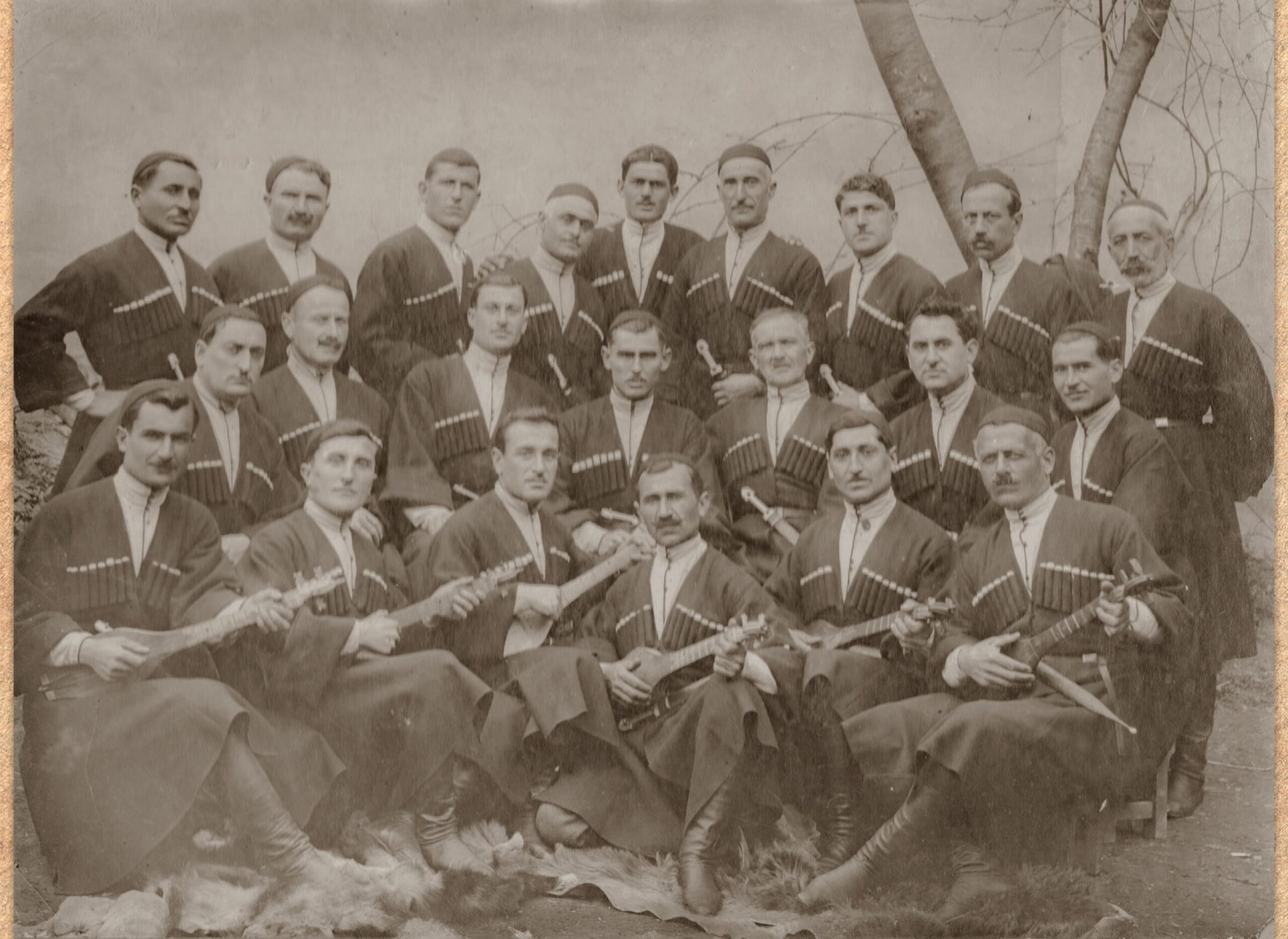
A Journey Through Georgian Polyphonic Traditions (UNESCO)
Recognized by UNESCO as masterpiece of oral and intangible heritage, this musical tradition acts as a bridge between East and West, reflecting Georgia’s unique cultural position at the crossroads of diverse cultures and musical traditions. Regions: Guria, in western Georgia, has a distinctive polyphonic style shaped by the region’s landscape and cultural heritage. It is characterised by intricate counterpoint, rare four-part harmonies in work songs, and Krimanchuli yodeling. Kakheti, in eastern Georgia, also has a distinctive polyphonic style renowned for ornate “long-table songs” with richly embellished melodies and resonant drone basses, embodying communal celebration. Location: Telavi, the cultural and historical centre of Kakheti, offers an ideal setting for immersing oneself in musical tradition. Its historic architecture, including the 18th-century Batonistsikhe Castle, and proximity to vineyards create a rich tapestry of experiences. Overall Aim: To promote and preserve Georgian polyphonic music as a vital part of the country’s cultural heritage; To experience performances and traditional songs by local folk ensembles in their context (e.g., “long-table songs” at feasts and gatherings). Musical Genres: Gurian polyphonic music; Kakhetian polyphonic music, specifically “long-table songs”. Collaborations: Italian Embassy in Georgia, local folk ensembles.
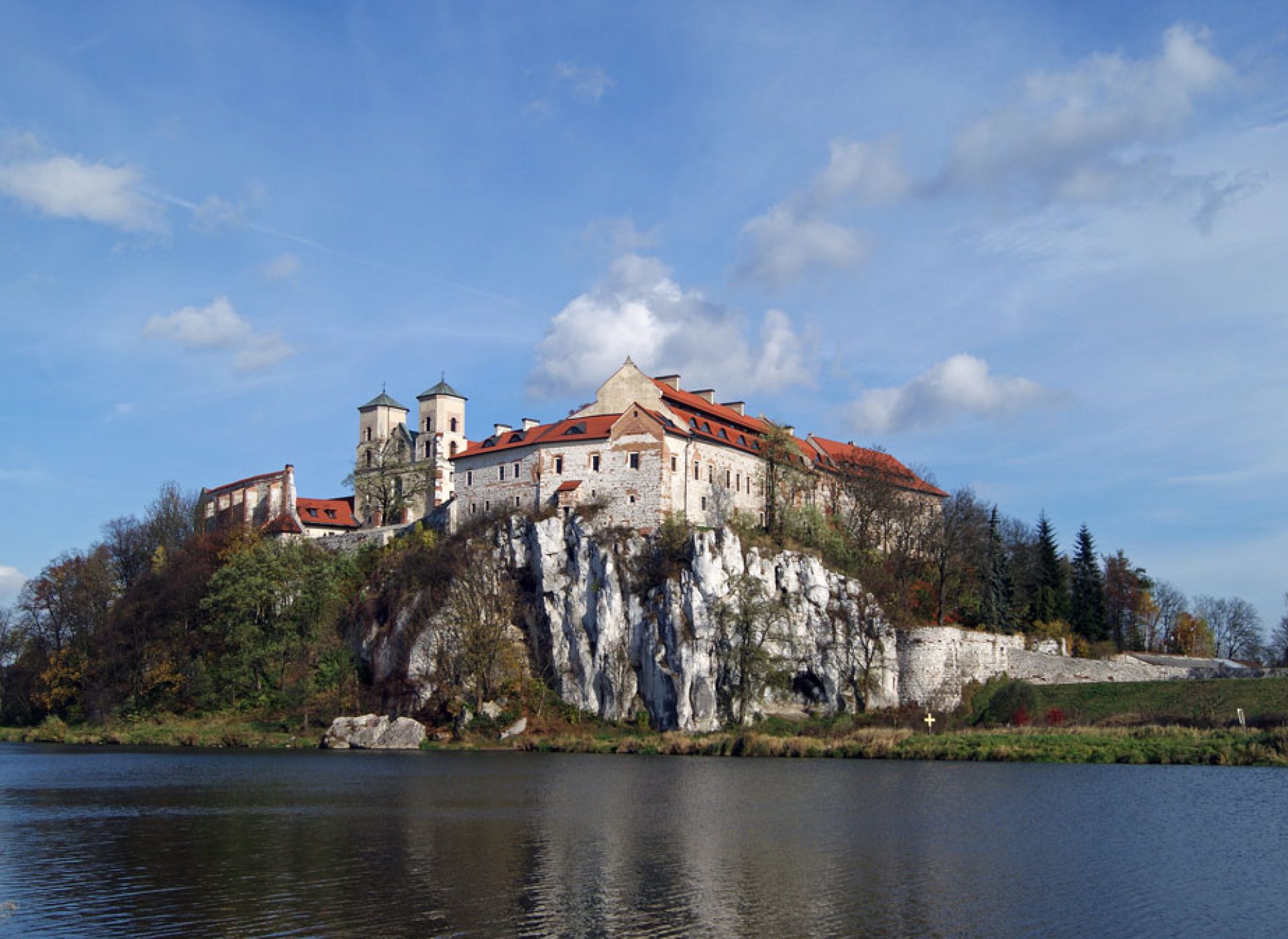
The Life of the Organ as a Gateway to Experience Chapters of Krakow's History in the Light of its Sacred Architecture
This case study explores the rich and interwoven history of Krakow (Polland) through the lens of its sacred architecture and organ music, embarking on a journey across selected churches significant to Krakow’s history. The itinerary intermingles four major sites—the interiors of churches and their organs—with spots scattered across the city where organ music is occasionally played by street artists, creating unexpected encounters with interpretations of formal/art music that fills the city’s soundscape. Location: Arka Pana (Lord’s Ark Church); The Church of St. Florian; Church of the Holy Cross; Church of St. Peter and Paul, Benedictine Abbey in Tyniec. Overall Aim: To address the representation of music in Krakow’s historical narratives; To highlight the importance of organ music in shaping the city’s soundscape and cultural identity; To provide a deeper understanding of Krakow’s history and artistic development by showcasing the evolution of organ music and instruments within diverse architectural settings; To experience organ music performances within the churches and encounter street artists playing organ music in unexpected locations. Musical Genres: Organ music (including historical and contemporary interpretations). Collaborations: the Krakow Academy of Music, cultural institutions.
Music in the Châteaux of the Loire Valley (15th-17th Centuries)
This case study explores the rich musical heritage of the Loire Valley (France), a region that served as a focal point of political, territorial, and cultural influence from the 14th to the 17th centuries. The Loire Valley witnessed the convergence of diverse musical styles, from the late medieval Ars Nova movement to the Franco-Flemish composers of the Renaissance, reflecting the region’s dynamic cultural landscape. Unlike other European regions characterized by urban centres, the Loire Valley is distinguished by its numerous châteaux, both modest and grand, which served as hubs of artistic activity. While the architecture of these châteaux remains, their sonic landscapes have largely faded into silence. This project aims to revive those sonic environments, recreating the musical atmosphere of the past and providing visitors with a deeper understanding of the role music played in these historical residences. Location: Various châteaux in the Loire Valley, including Chambord, Blois, Chateaudun, Fontainebleau, Saint-Germain-en-Laye, Angers. Overall Aim: To revive the sonic environments of the Loire Valley châteaux; To recreate the musical atmosphere of the past; To provide visitors with a deeper understanding of the role music played in these historic residences; To address the challenge of conveying the full richness of the châteaux’s history by establishing a musical heritage dimension. Musical Genres: Chansons; Motets; Masses; Instrumental music. Key Figures: Composers: Ockeghem, Tinctoris, Busnoys, Jannequin; Patrons: François 1er, René d’Anjou; Other figures: Leonardo da Vinci. Collaborations: Le Centre des Monuments Nationaux, Le CNRS, Le Ministère de la Culture.
Ferrara in the Golden Age of Music
This case study explores the rich musical heritage of Ferrara (Italy), a city that played a pivotal role in the development of European Art Music during the 15th and 16th centuries. Under the patronage of the Este court, Ferrara became a vibrant centre for musical innovation, attracting renowned composers such as Du Fay, Desprez, Obrecht, Brumel, Luzzaschi, and Frescobaldi. The Este family recognized the social and political prestige associated with musical excellence, and their pathbreaking initiatives, including the founding of chapels, commissioning of unique musical instruments, and establishment of spectacular musical practices, shaped the cultural landscape of the city. Locations: Today, numerous heritage sites in Ferrara bear witness to this golden age of music, including the ducal chapel (now a cinema), the Este Castle, Schifanoia Palace, the house of Frescobaldi (now municipal offices), the Palazzina Marfisa, the house of the poet Ariosto, and Palazzo Costabili, where frescoes by Tisi (Il Garofalo) depict the vibrant musical life of the court. Other significant sites include Palazzo Paradiso, with its early 15th-century frescoes illustrating musical practices; the cathedral museum, which preserves an impressive collection of illuminated choral books; and more than twenty 16th- to 17th-century organs preserved in local churches. Despite its rich musical heritage, Ferrara’s musical past is currently underrepresented in its cultural tourism. This project aims to rectify this by developing immersive installations and a downloadable guide that will bring the city’s musical heritage to life. These resources will promote knowledge of Ferrara’s intangible musical heritage and contribute to the development of equitable tourism, offering instructive and cognitive experiences that engage the senses and enhance understanding. Overall Aim: Exploring the heritage sites in Ferrara related to its musical history supported by immersive XR and mobile guide with QR codes; To promote knowledge of Ferrara’s intangible musical heritage; To contribute to the development of equitable tourism, offering instructive and cognitive experiences; To enrich the public’s understanding of nuances of Renaissance musical writing, styles, and timbres. Musical Genres: Motets, Madrigals, Masses. Key Figures: Patrons: Niccolò, Leonello, Borso, Ercole I, Eleonora d’Este, Alfonso I, Lucrezia Borgia, Isabella d’Este, Ippolito d’Este, Ercole II, Renata di Francia, and Alfonso II d’Este. Collaborations: Musei Civici di Arte Antica di Ferrara, Comune di Ferrara, Pinacoteca Nazionale (Gallerie Estensi), Ferrara Musica. Conservatorio Frescobaldi.
A Madrigal Journey Through Renaissance Italy
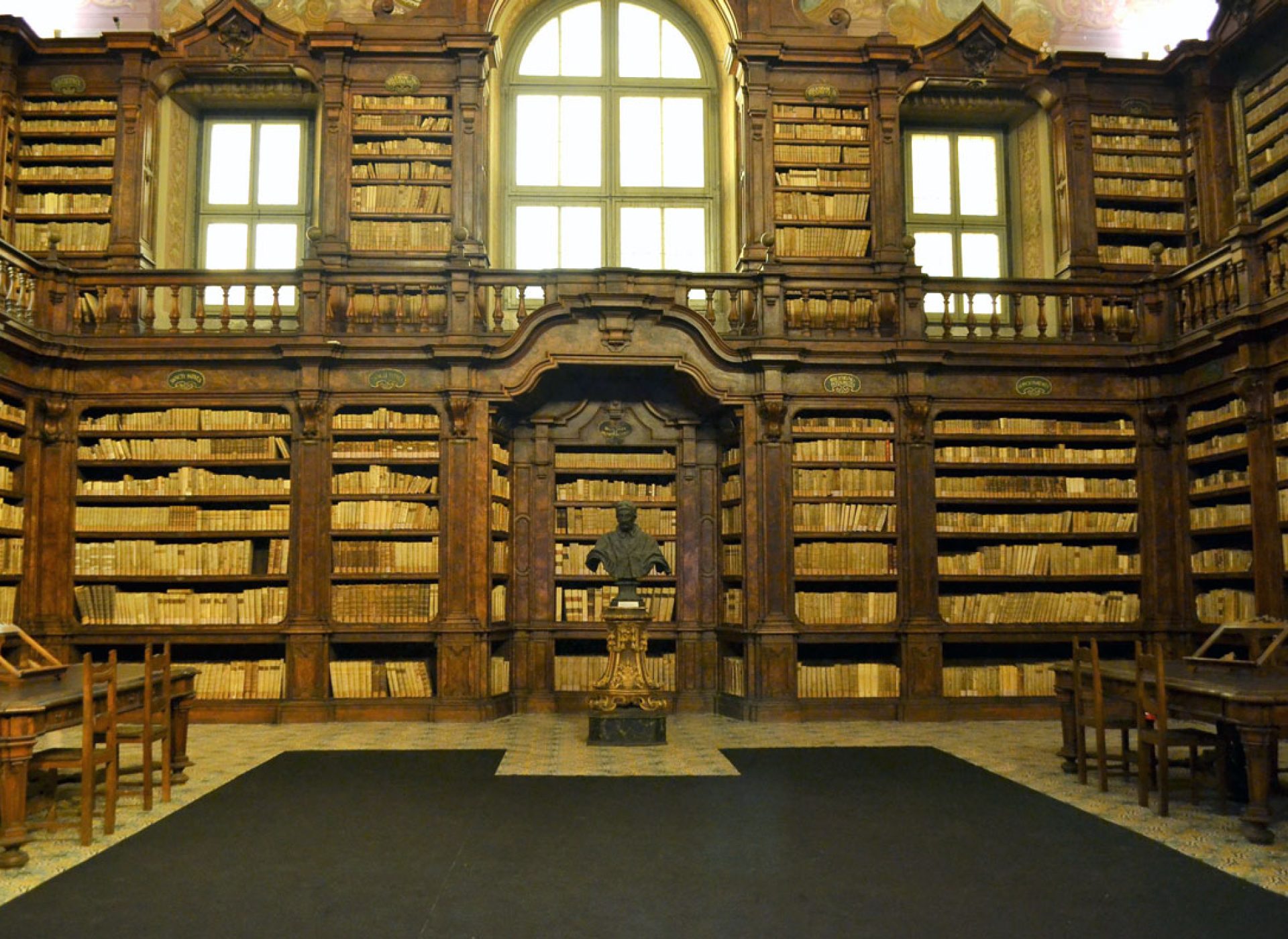
This case study proposes an immersive and engaging experience centred on the Italian Madrigal of the early 17th century. The project aims to transport audiences back in time to experience the power and beauty of this musical composition. The case study will highlight the key role of the Italian madrigal in the development of Western music during the early 17th century. It will showcase the madrigal’s evolution from a contrapuntal exercise to a theatrically vivid organism, driven by the expressive power of the poetic text. This transformation created a new kind of subjective listening experience, where music was judged by its ability to evoke emotions and conjure images. This itinerary will trace the development of the madrigal through the courts of Italy, where it flourished under the patronage of nobles and rulers. Each court had its own madrigal school and representatives: Wert and Monteverdi in Mantua, Luzzaschi in Ferrara, Marenzio in Rome, Gesualdo and his followers in Naples, and Monteverdi again in Venice. The itinerary will emphasise the exchange of ideas and styles between composers who travelled and shared their unique musical languages. Location: Mantua: Palazzo Ducale, Ferrara: Castello Estense, Naples: Palazzo di Sangro and Biblioteca dei Girolamini, Rome: Palazzo Barberini, Venice: Palazzo Mocenigo, Firenze: Palazzo Davanzati. Overall Aim: To provide an immersive and engaging experience centred on the Italian Madrigal of the early 17th century; To highlight the pivotal role of the Italian madrigal in the development of Western music; To showcase the madrigal’s evolution and its impact on the listening experience. Musical Genres: Italian Madrigal. Key Figures: Composers: Wert, Monteverdi, Luzzaschi, Marenzio, Gesualdo, De Macque. Collaborations: Ferrara Musica Association, Concerto Italiano led by Rinaldo Alessandrini.
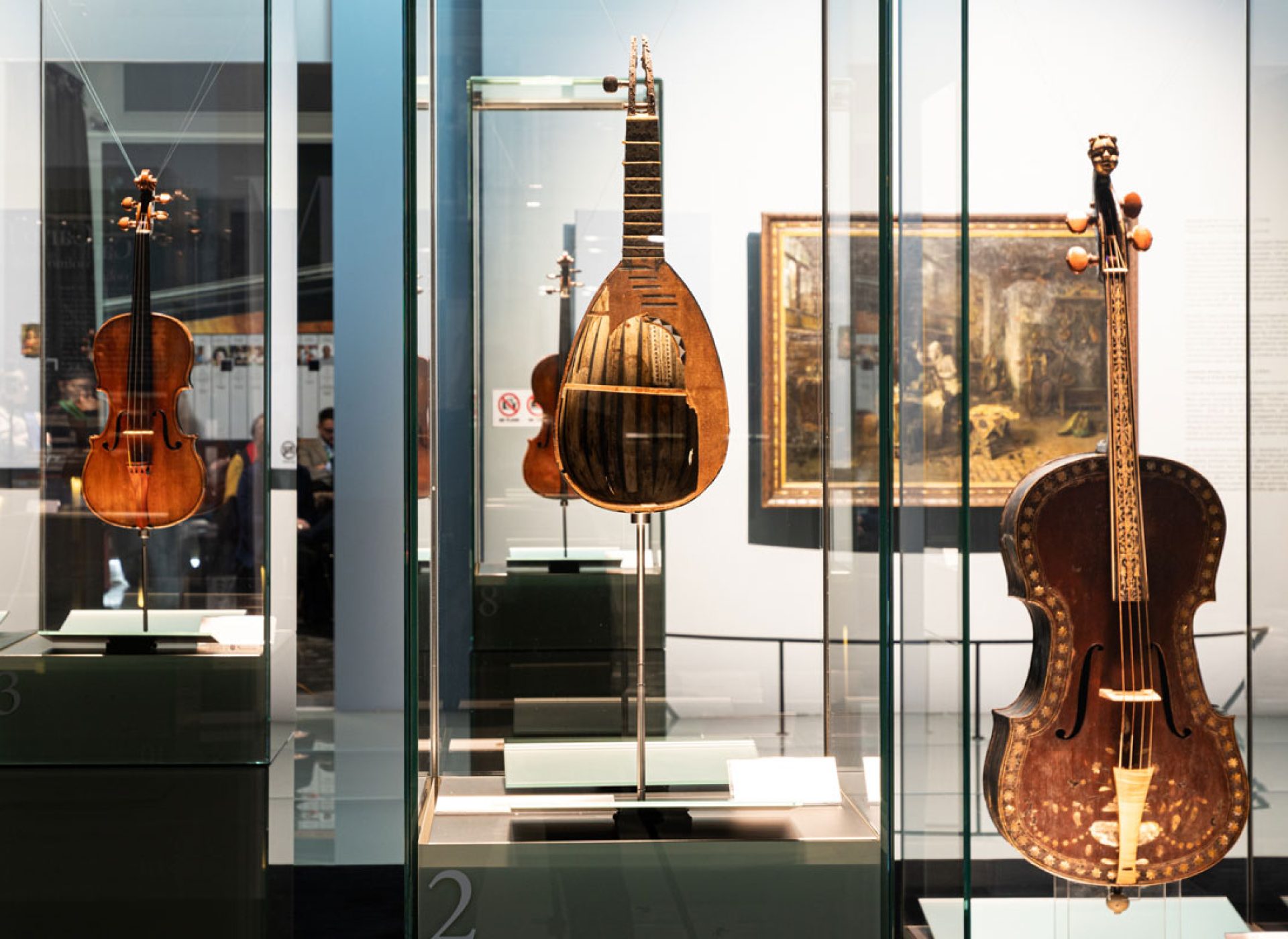
The Art of Italian Violin Making: A Journey Through Time and Sound at the Museo del Violino in Cremona
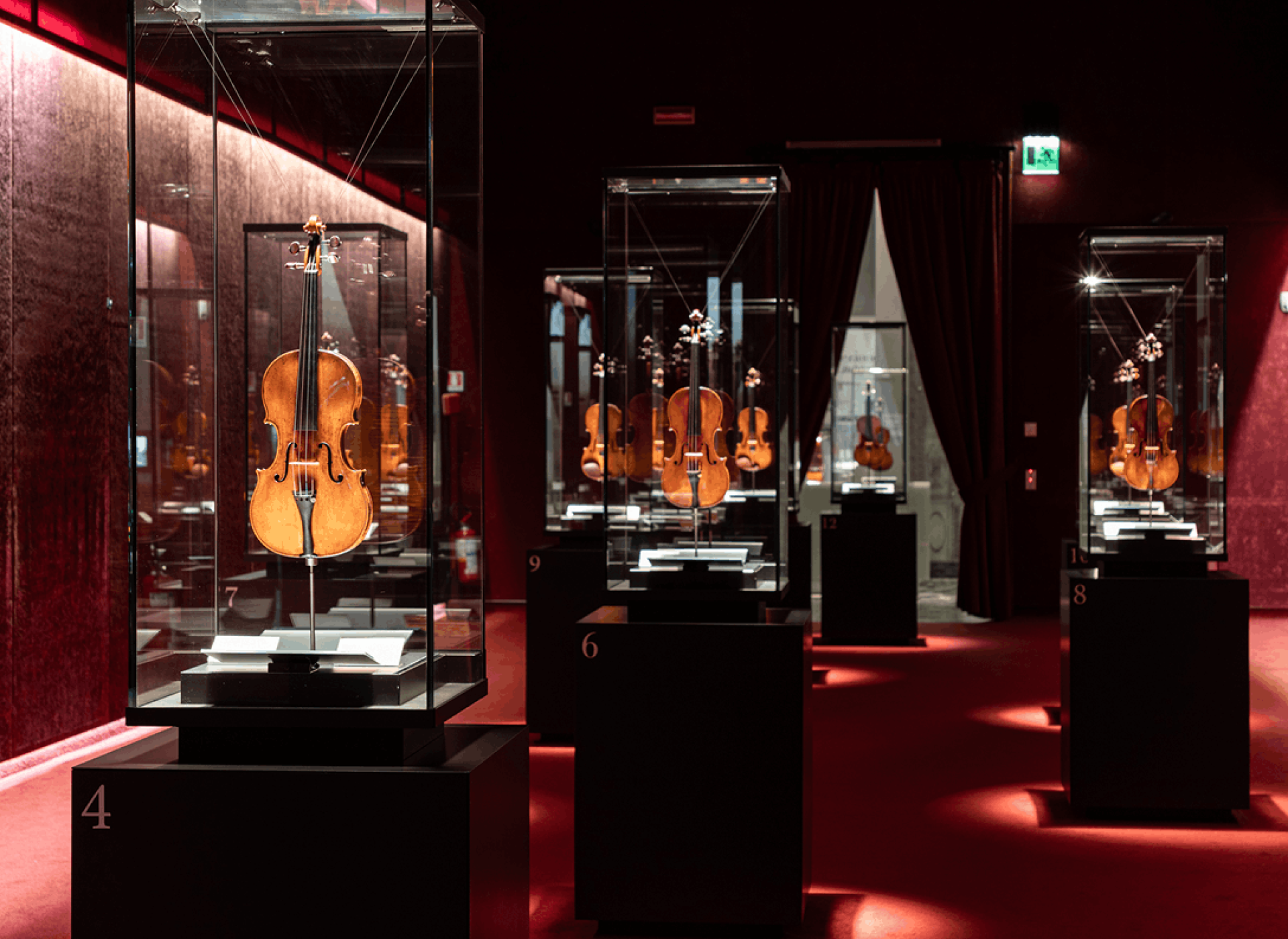
This case study delves into the rich tradition of violin making in Italy, with a particular focus on the renowned Museo del Violino in Cremona. Location: Located in Lombardy, Cremona has been a hub of violin making since the 16th century, renowned for its exceptional craftsmanship and the creation of some of the world’s most celebrated instruments. The Museo del Violino, housed in the architectural masterpiece of Palazzo dell’Arte, stands as a testament to this enduring legacy. Its collection encompasses a remarkable array of stringed instruments, including violins, violas, and cellos crafted by master luthiers such as Stradivari and Guarneri, showcasing both historical and contemporary creations. Overall Aim: To involve the visitor in immersive and interactive exhibits aiming at educating and refining sound perception; To present complex craftsmanship and historical information in an accessible and engaging manner; To connect the museum experience with the city of Cremona, encouraging visitors to explore the context of violin making. Musical Genres: Music performed on stringed instruments, particularly violins. Key Figures: Master luthiers: Stradivari, Guarneri. Collaborations: Fondazione Stradivari.
A Journey Through Sound and History at the International Museum and Library of Music of Bologna
This case study explores the rich and multifaceted collection of the International Museum and Library of Music of Bologna. Location: The International Museum and Library of Music of Bologna (Italy), in Palazzo Sanguinetti, in the historical center of Bologna. Its collection includes an extensive library of musical materials, including books, scores, treatise, letters, and portraits by renowned composers and musicians. These resources offer a unique opportunity to trace a musical heritage journey through time from medieval to modern times. Overall Aim: To explore the rich and multifaceted collection, enhancing accessibility, understanding and interactions, through XR technologies. Musical Genres: A wide range of repertoires. Key Figures: many composers and innovators, among which Giambattista Martini, Wolfgang Amadeus Mozart, Johann Christian Bach, Farinelli, Antonio Vivaldi, Gioachino Rossini, Georg Friedrich Händel, Christoph Willibald Gluck, Gaetano Donizetti, Vincenzo Bellini, Giuseppe Verdi e Richard Wagner.
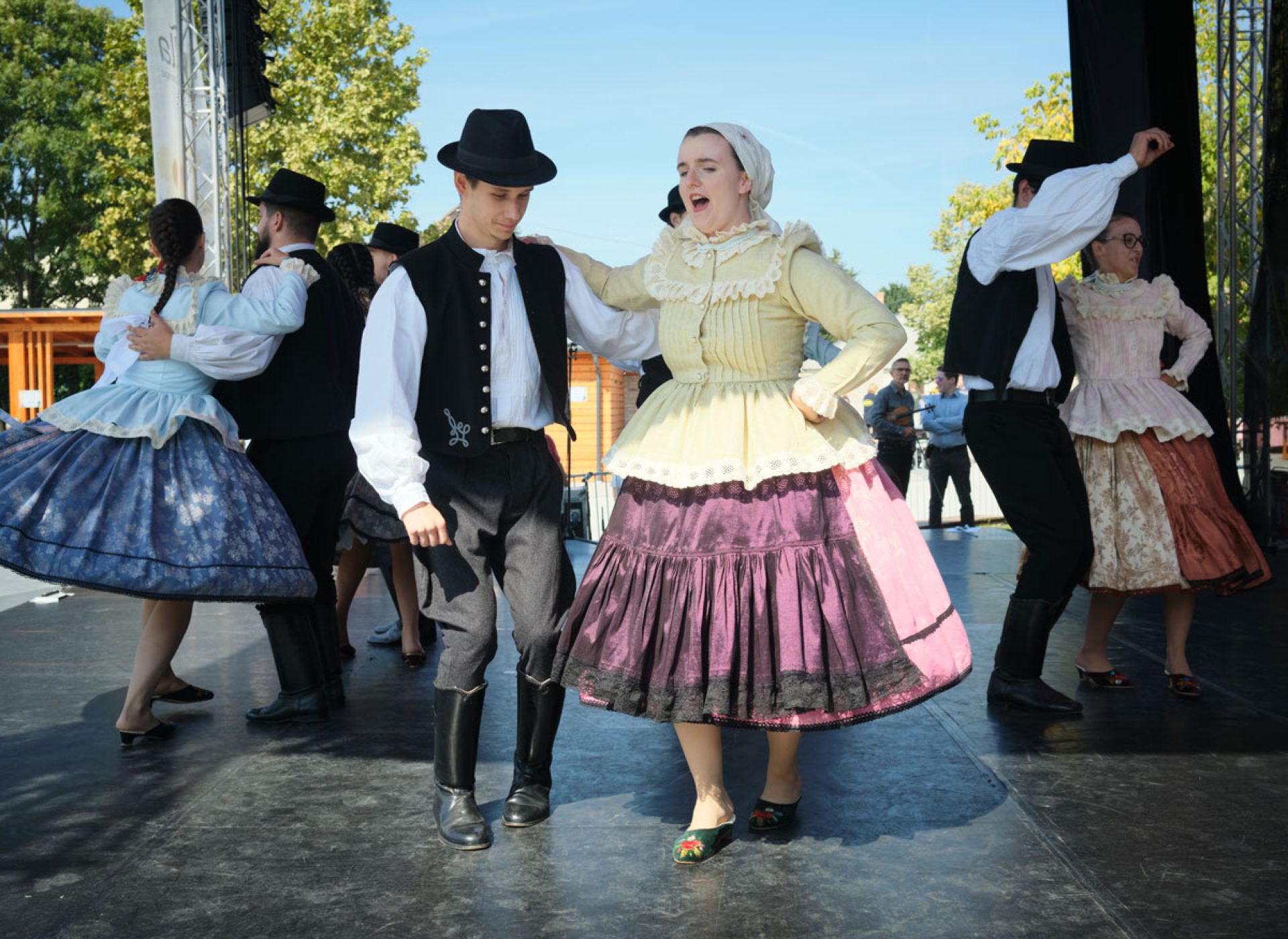
From the Music of Franz Liszt to the World of the "Táncház" (Dance House) Movement
This case study examines the intricate relationship between folk music traditions and their reinterpretation and rediscovery within the realm of classical music in Hungary, spanning from the mid-18th century to the 1980s. The itinerary encompasses key figures, institutions, and movements that have shaped the Hungarian musical landscape, culminating in the vibrant “Táncház” (dance house) movement, a testament to the enduring vitality of folk traditions which has been recognized as a UNESCO Intangible World Heritage. Location: Hungarian Academy of Music, Historical cafés and restaurants in Budapest, Budapest Music Center, Hungarian Heritage House, Hungarian House of Music, Fonó Music Community Centre. Overall Aim: To explore how Hungarian folk music has been preserved, transformed, and reimagined from the Romantic era to the 20th century, highlighting the interplay between tradition and innovation; To showcase the “Táncház” (dance house). Musical Genres: Hungarian folk music, Classical music influenced by Hungarian folk idioms. Key Figures: Franz Liszt, Béla Bartók, Zoltán Kodály, György Ligeti, György Kurtág. Collaborations: Hungarian Academy of Music and other institutions.
Tracing the Evolution of UK Pop Music (1945-Present): A Sonic Journey through the Harmony
The Case Study ‘Exploring the Evolution of Harmony in Popular Music from the 1960s to the present day’ from the Music Computing Lab atthe Open University in the UK presents a contrast with the other case studies, giving the project a rich additional dimension. From around 1964 up until the present day, the way that harmony moves into popular music underwent rapid evolution. The tools developed by The Music Computing Lab allow both those without musical training and musical experts to see and manipulate harmonic movement in individual songs as spatial journeys in a playable, hearable harmonic space.These tools can also make visible aspects of the process of how these harmonic motions have evolved over time. Overall Aim: While being insightful to expert musicians, these tools can allow people, regardless of physical disability or lack of musical training to quickly learn to use spatial gestures to play the chord sequences of well-known songs, to change the spatialpaths to make up their own songs, and to explore how harmony has changed. Thus, the itineraries and journeys in this case study will not focus on physical objects, specific sites, biographies, a territorial itinerary or genres but on harmonic musical journeysthemselves.
Musical Genres: UK Pop Music (including various subgenres like skiffle, rock and roll, punk, new wave, electronic music, and heavy metal). Key Figures: The Beatles; Jimi Hendrix; Black Sabbath; Judas Priest.
Cinematic Soundscapes of Ennio Morricone: Immersive Exploration of Music and Film
This case study examines the groundbreaking work of Ennio Morricone, one of the most celebrated film composers of all time. Morricone’s innovative and evocative scores have become synonymous with the cinematic experience, shaping the way audiences perceive and engage with film narratives. This itinerary will explore key locations in Rome associated with Morricone’s life and work. Location: Cinecittà Studios: the legendary film studio complex where Morricone collaborated with renowned directors like Leone and Bertolucci; Forum Music Village: a recording studio where Morricone recorded many of his later works; places featured in Morricone’s films. Overall Aim: To examine the groundbreaking work of Ennio Morricone and his impact on the cinematic experience; To showcase Morricone’s use of orchestration, instrumentation, and sound design; To explore key locations in Rome associated with Morricone’s life and work; To foster a deeper appreciation for the art of film scoring. Musical Genres: Film scores, drawing inspiration from classical music, jazz, folk music, and avant-garde techniques. Key Figures: Ennio Morricone; Sergio Leone.
