
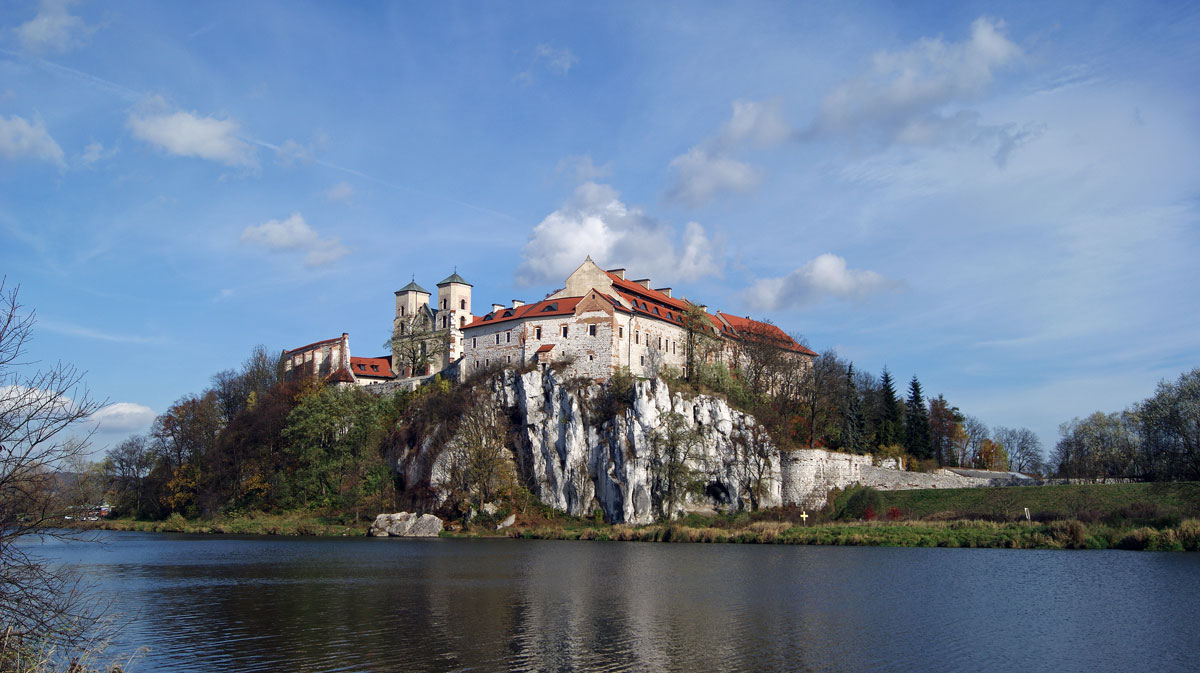
PlaceMUS XR offers a unique opportunity for knowledge
that extends far beyond traditional travel guides and existing educational tools.
During this digital journey across Europe, users discover that paths and objects familiar from visual arts also hold interesting information about musical and sound heritage. Two or more places that seemed unrelated may, when considered from a musical perspective, reveal intriguing stories and common musical heritages. Therefore, the project creates new paths of knowledge for cultural discovery and tourism promotion.
Over time, the project is expected to benefit a wide range of target groups, including museum professionals, CCIs professionals in CH, educational institutions, musical academies and conservatories, ensembles, researchers and academics, consortium partners, local communities of citizens, tourists and general public, as well as policy makers and financial actors.
By addressing such diverse stakeholders, PlaceMUS XR strengthens cross-sector collaboration and knowledge transfer through dissemination, training, and higher education activities aimed at cultural heritage professionals. These activities are particularly relevant for emerging domains such as sonic heritage, digital libraries, e-publishing, the metaverse, and smart cities. New ways of exploring territories and their sonic identities can thus be experienced, either by enriching physical travel or by offering meaningful alternatives when accessing real locations is limited or impossible.
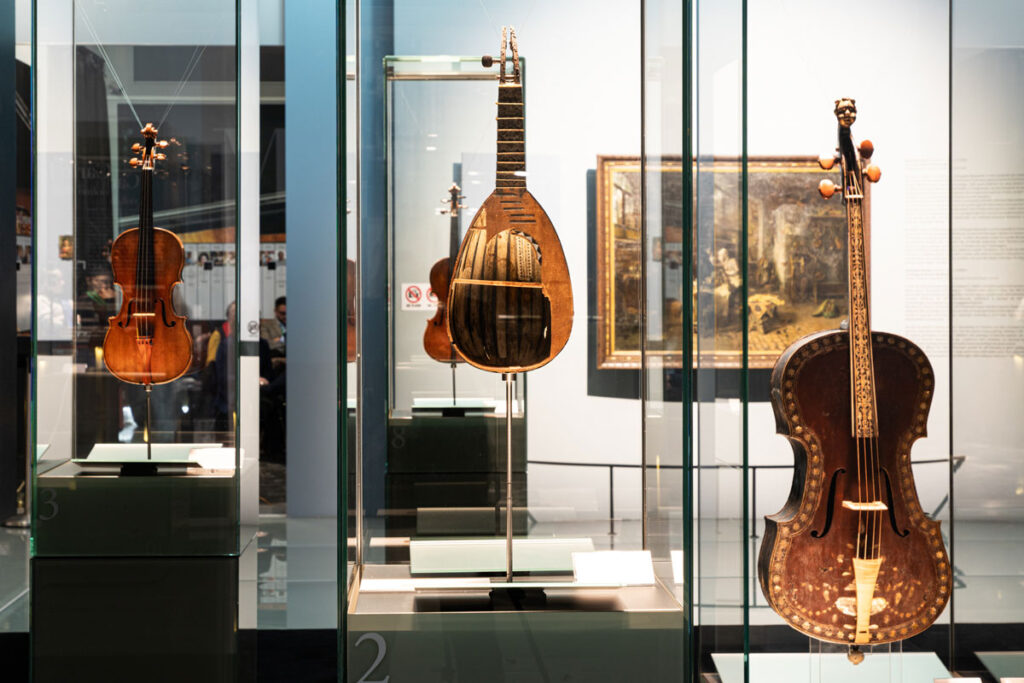
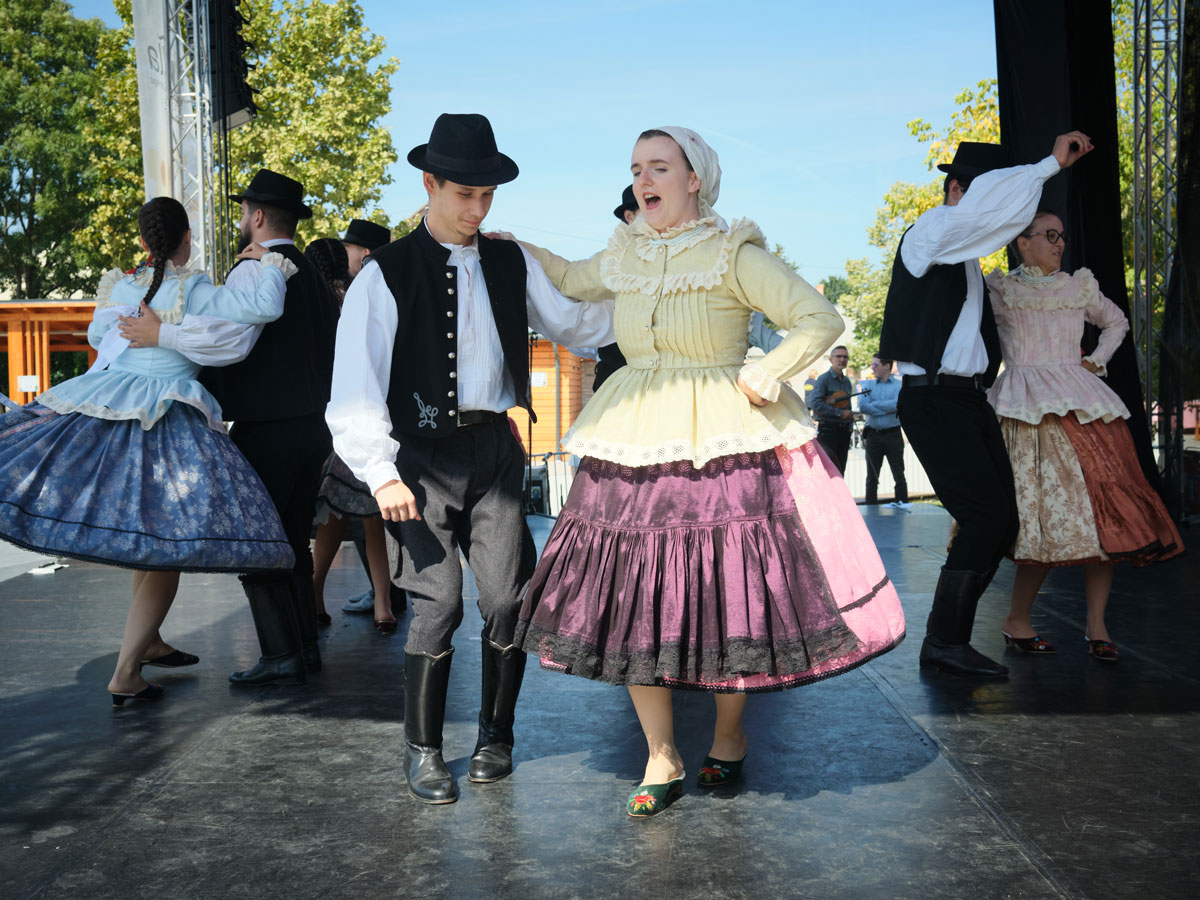
This value chain could strengthen the cultural tourism sector, attract investments, and become a distinctive feature of uniqueness and excellence in Europe’s cultural offerings. The project develops sustainable marketing and business models grounded in open data principles, ensuring accessibility, re-use, and widespread enjoyment of the content.
By complementing traditional visual approaches with listening-based experiences, PlaceMUS XR reveals a vast cultural heritage rooted in sound – including soundscapes, music, narratives, and oral traditions.
Sound perception greatly enhances the vitality and authenticity of cultural contents and reinforces the collective dimension of the museum experience. Furthermore, curators and designers will be able to simulate exhibitions, sound content integration and sound diffusion strategies within virtual environments, assessing their potential impact on audiences before physical implementation in museums.
